
Cornish Gold: The Rich History & Secret Art of Clotted Cream
Cornish Gold: The Rich History & Secret Art of Clotted Cream
![[HERO] Cornish Gold: The Rich History & Secret Art of Clotted Cream](https://cdn.marblism.com/JnCDk_bjDry.webp?width=800)
If you’re dreaming of a getaway to the rugged Cornish coast, there is one ritual you simply cannot skip. It’s thick, it’s velvety, and it has a golden crust that’s basically the edible version of a Porthtowan sunset.
We’re talking about Cornish clotted cream, the "Cornish Gold" that has been a staple of our county for centuries. Whether you’re spreading it thick on a warm scone or dolloping it onto a bowl of local strawberries, it’s a taste that defines beachfront holidays in Cornwall.
But have you ever wondered how this decadent treat actually came to be? It’s not just about the cows; there’s a bit of ancient history, some strict legal protections, and a very specific slow-cooking science involved.
🛶 Ancient Origins: The Phoenician Connection
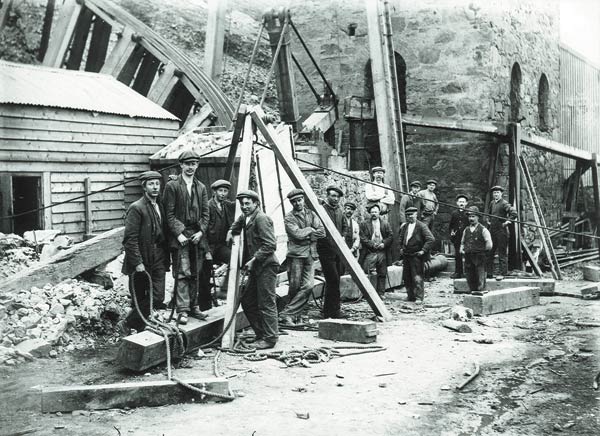
One of the best things about Cornwall is the sense of deep, ancient history that you feel everywhere, from the engine houses on the cliffs to the very food on your plate. Believe it or not, clotted cream might actually be one of our oldest exports.
Historians often trace the origins of the "clotting" method back over 2,000 years. The legend goes that Phoenician traders from the eastern Mediterranean used to sail to the Cornish coast to trade cloth and spices for our famous tin.
As the story goes, they brought with them the recipe for a thick, rich cream, similar to the kaymak still found in parts of the Middle East today. It’s a lovely thought that as you sit on the balcony of your beach apartment in Cornwall, you’re enjoying a treat that has been shared on these shores since the Iron Age.
🐄 Why is it so Golden?
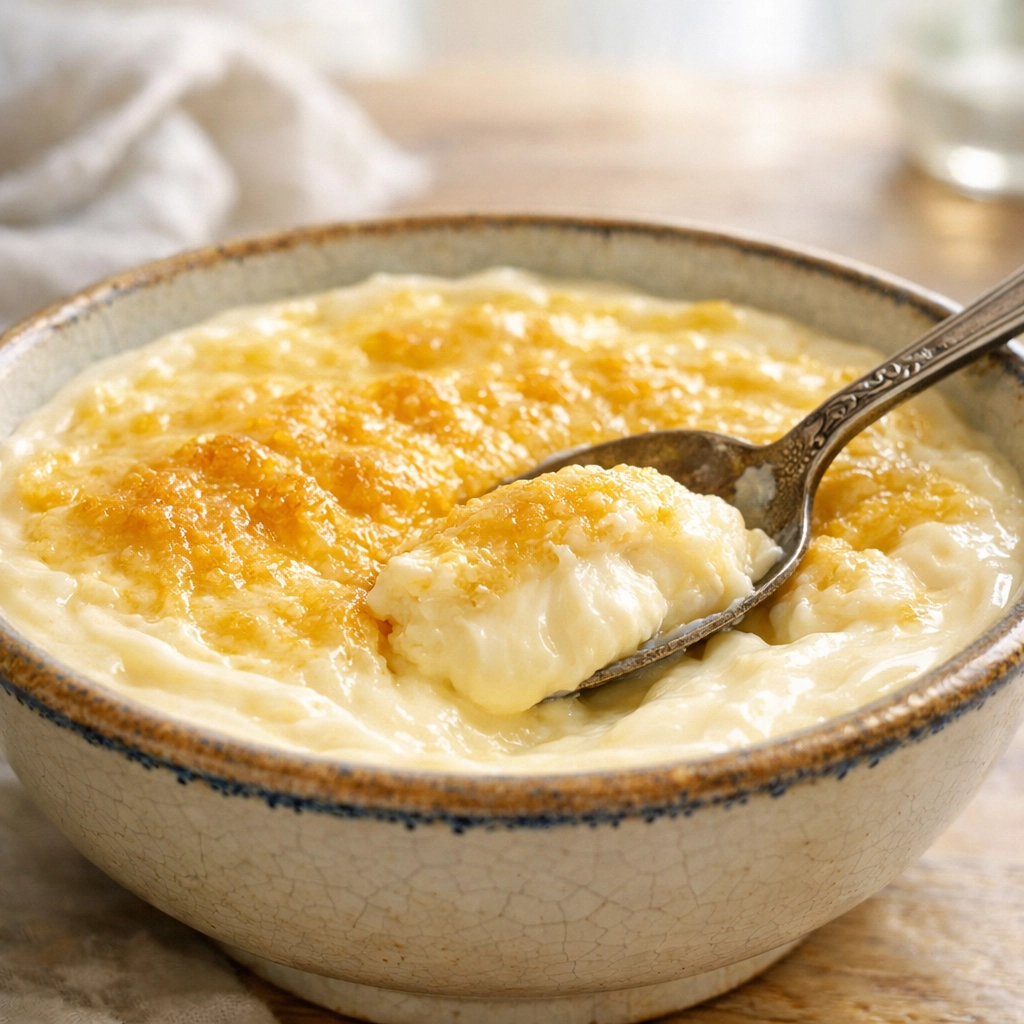
If you’ve ever compared Cornish clotted cream to the stuff you find in supermarkets elsewhere, you’ll notice a huge difference in colour. Real Cornish cream is a deep, buttery yellow, topped with a distinctive, slightly thicker golden crust.
This isn’t down to food colouring or clever lighting, it’s all thanks to the grass. Cornish cows graze on lush, green pastures that are rich in beta-carotene (the same natural pigment that makes carrots orange).
Because our climate is so mild and damp, perfect for growing grass, the cows produce milk with an exceptionally high fat content and a natural yellow hue. When that milk is turned into cream, the carotene becomes even more concentrated, resulting in that iconic "Cornish Gold" look.
🥄 The Secret Art of Making It
The process of making clotted cream is a lesson in patience. You can’t rush perfection, and you certainly can’t rush a good "clot."
Traditionally, the process starts with fresh, whole milk or cream being poured into large, shallow pans. These pans are then heated very slowly, often over a "bain-marie" or a steady, low heat source, for several hours. The trick is to never let it reach a boil; you want it just hot enough for the cream to rise to the surface.
As it heats, the cream "clots" (hence the name!) and a thick, golden crust forms on top. Once the heating is done, the pans are moved to a cool place to rest overnight. In the morning, the thick, velvety layer is carefully skimmed off the top, leaving behind the thinner milk.
📜 Protected by Law: The PDO Status
In Cornwall, we take our cream very seriously. In fact, "Cornish Clotted Cream" is a Protected Designation of Origin (PDO), much like Champagne in France or Parma Ham in Italy.
What does this mean for you? It means that if a tub is labelled "Cornish Clotted Cream," it must meet three very strict criteria:
- It must be made in Cornwall.
- It must be made using milk produced in Cornwall.
- It must have a minimum fat content of 55%.
This protection ensures that the traditional methods are preserved and that the unique flavour profile created by our Cornish cows isn't diluted. When you’re staying at Cornwall Coastal Holidays, you’re right in the heart of the action, surrounded by the very farms that produce this world-famous treat.
🏖️ The Ultimate Porthtowan Cream Tea
There is nothing quite like coming back to your apartment after a day of exploring the best family beaches in Cornwall and settling down for a cream tea.
If you’re staying with us at Whispering Waves, Surf 'n' Sands, or Sunsets, you have the perfect "brilliant base" for a DIY feast.
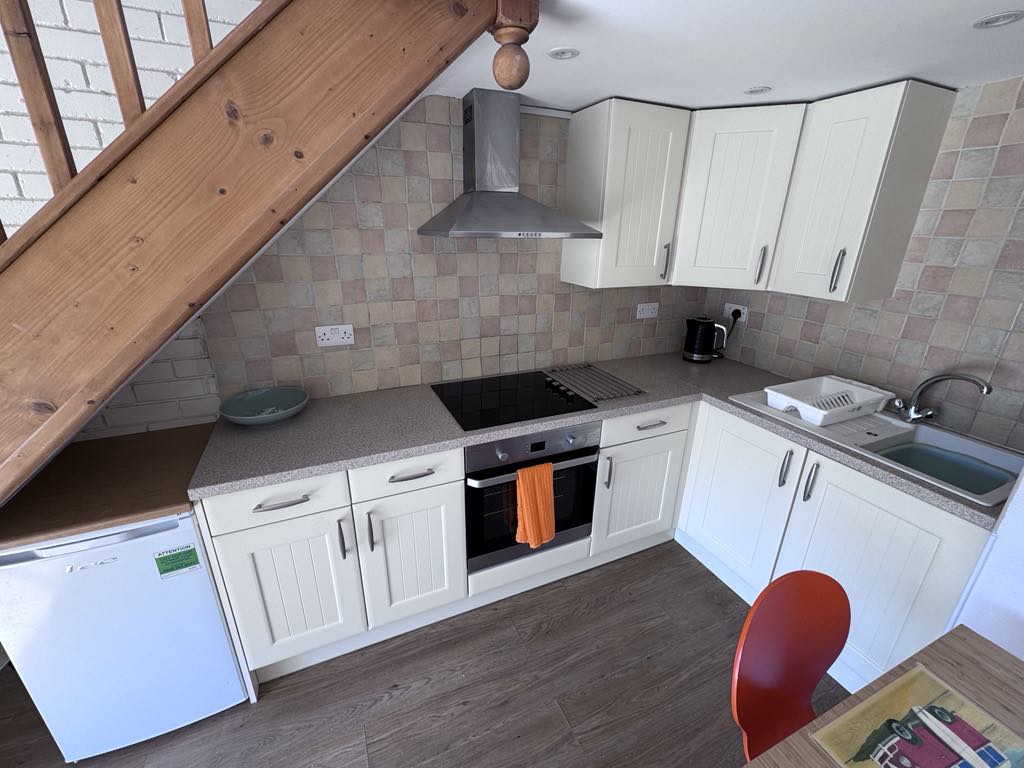
Our kitchens are fully equipped with everything you need to whip up a batch of scones, or, let’s be honest, to plate up the ones you bought from the local bakery!
Why people love it in Porthtowan:
- The View: Spread your cream tea while looking out over the Atlantic from your private balcony.
- The Freshness: You can pick up fresh scones and local jam just a short walk from the apartment.
- The Convenience: After a heavy cream tea, you’re only steps away from a nap on the sofa or a stroll on the sand.
🍦 Where to find it in the village
If you don’t fancy doing the washing up, there are some fantastic things to do in Porthtowan that involve someone else doing the hard work for you.
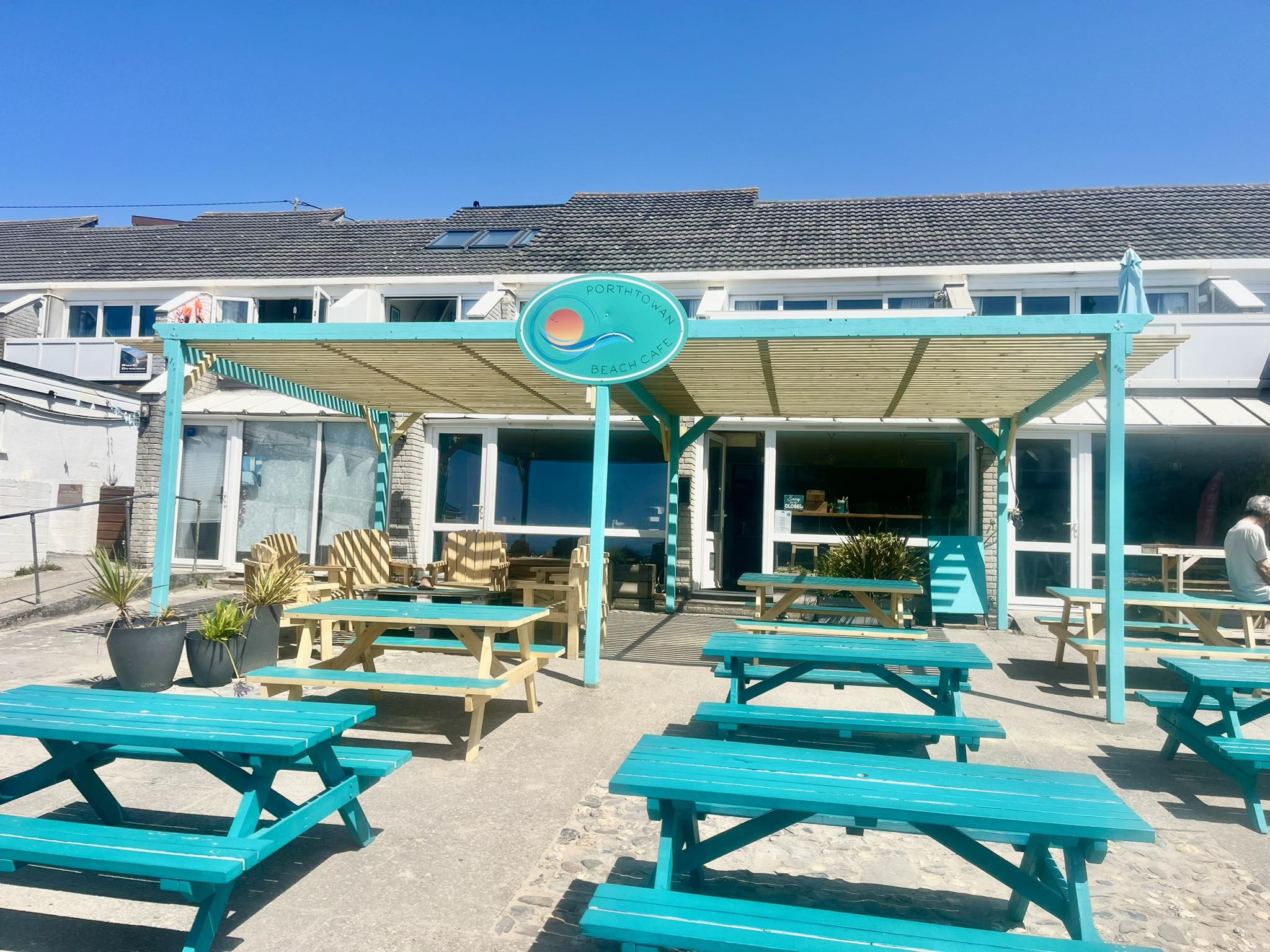
The Porthtowan Beach Café is a local favourite, sitting right on the edge of the sand. You can grab a seat at one of their turquoise picnic benches and enjoy a massive dollop of Rodda's (the world’s most famous Cornish cream producer, based just down the road in Redruth) while watching the surfers take on the waves.
🧐 The Great Debate: Jam or Cream First?
We couldn’t write a blog about clotted cream without addressing the scone in the room. In Cornwall, the rule is simple and non-negotiable: Jam first, then cream.
Why? Well, historically, the jam was used to "seal" the scone, and then a generous, mountain-like dollop of clotted cream was placed on top. It’s also much easier to spread jam on a scone than it is to spread jam on top of thick, luxurious cream!
Our neighbours over the border in Devon do it the other way around, but when you’re on Porthtowan Beach, we highly recommend sticking to the Cornish way: unless you want some friendly banter from the locals!
🚶♀️ Walk it Off
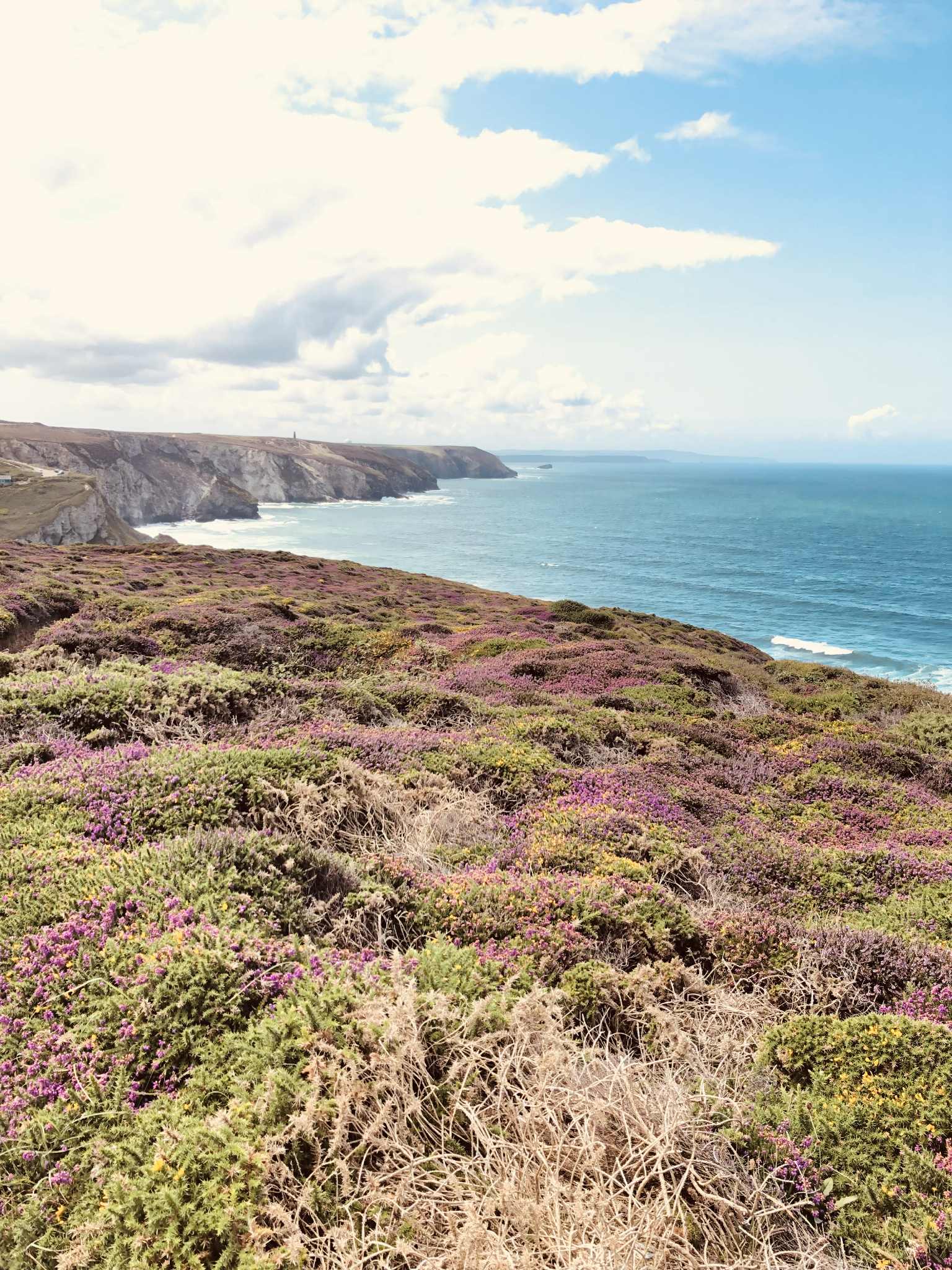
After you’ve indulged in all that Cornish Gold, you might feel the need for a bit of a wander. Luckily, Porthtowan is perfectly situated for some of the best coastal walks in Cornwall.
Heading out from your apartment door, you can join the South West Coast Path and head towards Chapel Porth. The views of the dramatic cliffs and the Atlantic swell are the perfect antidote to a sugar rush.
🏘️ Your Home Away from Home
Whether you’re here for the surfing, the hiking, or specifically for the clotted cream, our apartments offer the ideal beachfront location.
Each of our three properties: Whispering Waves, Surf 'n' Sands, and Sunsets: is pet-free, modern, and designed to make the most of those incredible coastal views. They are the perfect spot to relax, recharge, and enjoy a true taste of Cornwall.
Why choose Cornwall Coastal Holidays:
- Direct access to Porthtowan Beach (no driving required!).
- Modern, self-catering facilities perfect for foodies.
- Stunning balconies for al fresco dining.
- Close to local shops, pubs, and cafes.
Ready to start your own Cornish adventure? Check out our availability and get ready to discover the magic of the coast (and the cream) for yourself.
Cornish clotted cream is more than just a topping; it’s a piece of our heritage, a result of our unique landscape, and a must-try for anyone visiting our shores.
#Cornwall #Porthtowan #ClottedCream #VisitCornwall #CornishCreamTea #BeachfrontHolidays #SelfCateringCornwall
Meta Description: Discover the rich history and secret making of Cornish Clotted Cream. From ancient Phoenician traders to the famous golden crust, learn why this PDO-protected treat is a must-try during your beachfront holiday in Porthtowan.
Share this post